




About our Guttering Range
Our wide range of low maintenance long lasting PVC-UE gutter systems produced by Freefoam come in a wide selection of sizes, colours and styles water is collected and directed away from the building and moving it in a way to safely and easily remove large quantities of water.
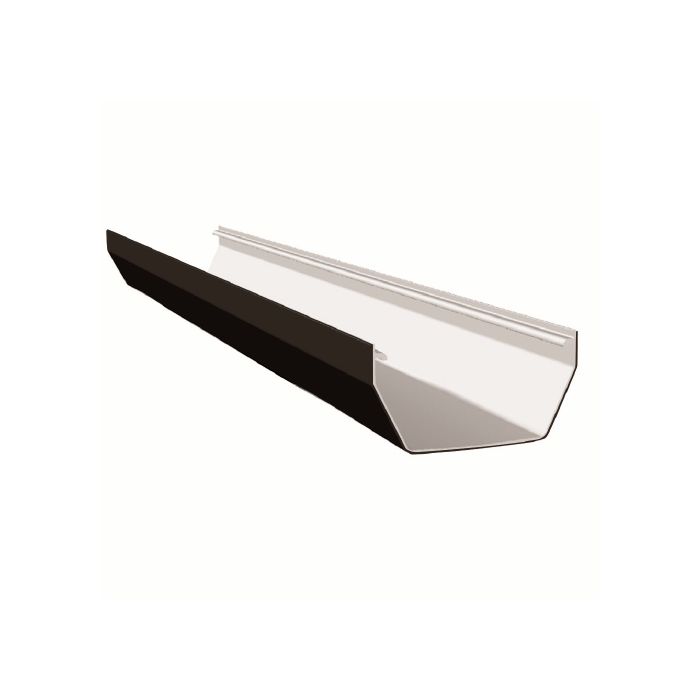
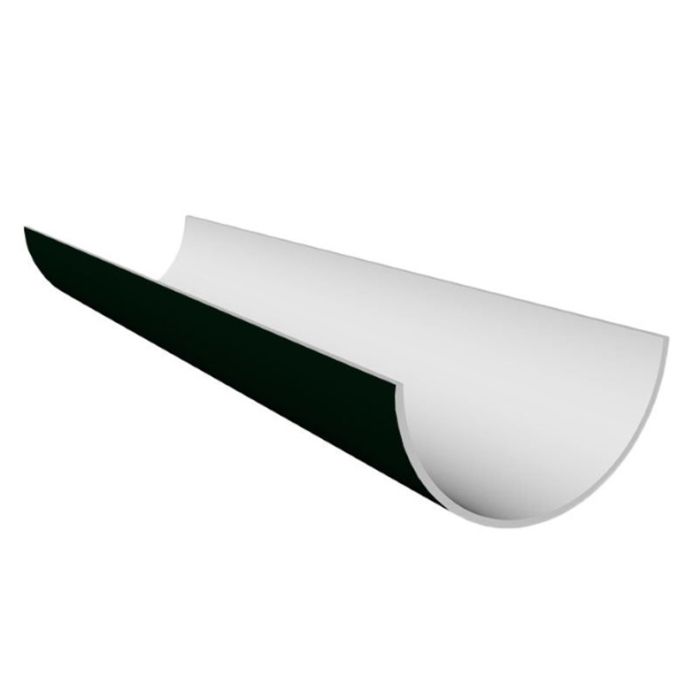
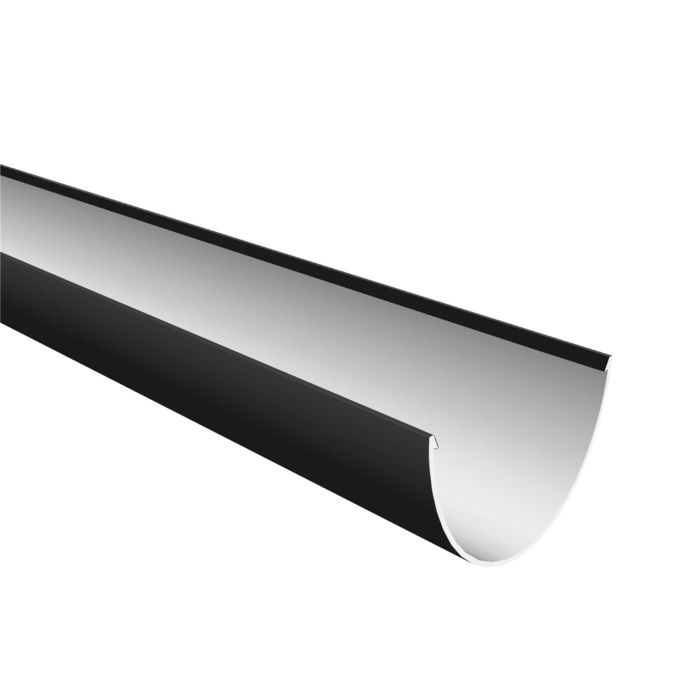
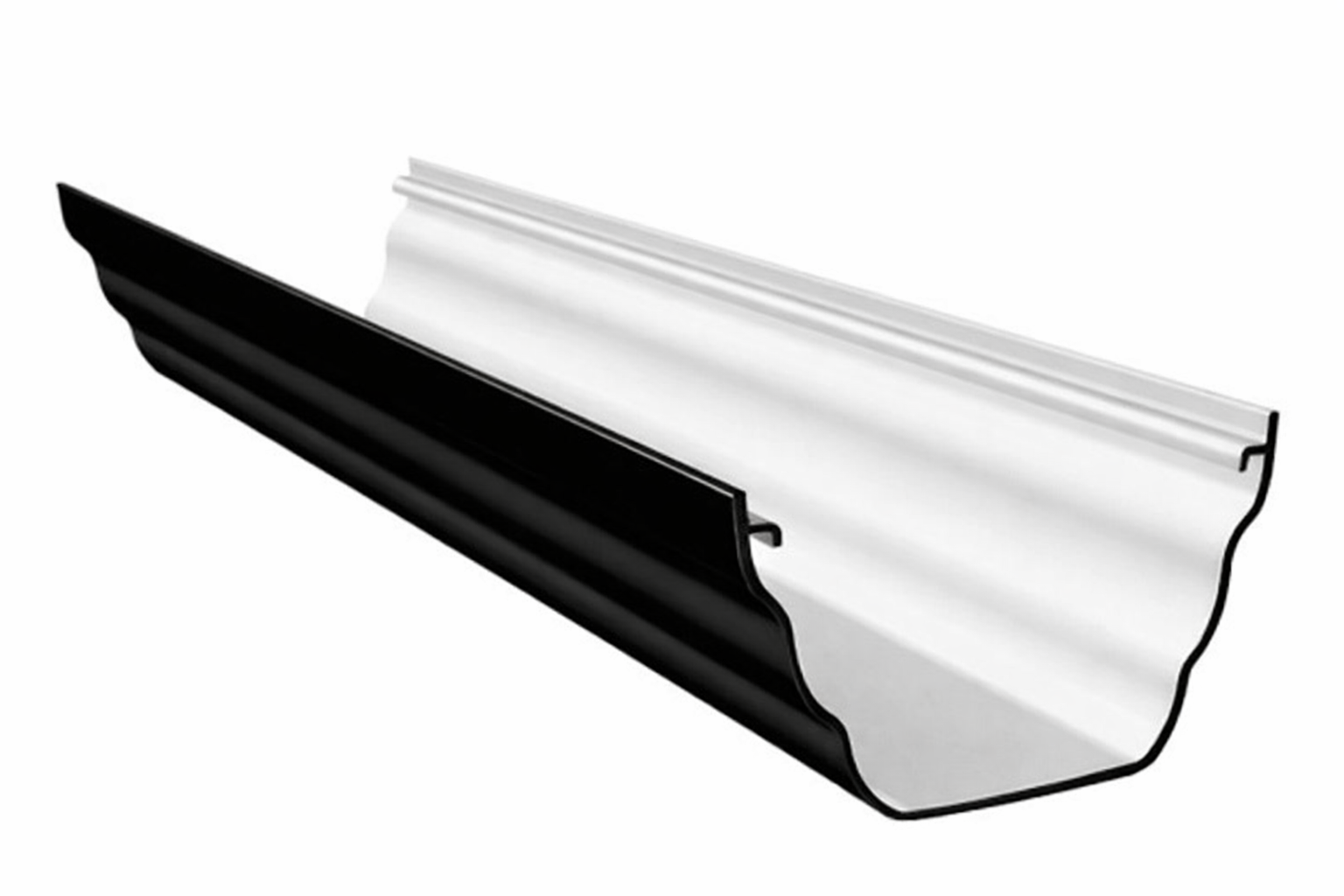
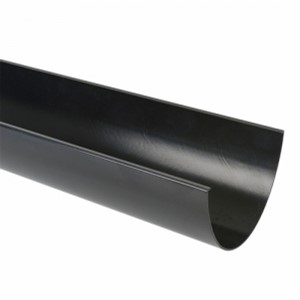
Under the Freeflow brand, we provide all of their styles of guttering these range from, Square, Round, Deep and Ogee.
Freefoam are the colour gutter specialists, stocking the choice of four colours, from white, black, brown, and Anthracite Grey.
The majority of Freefoam gutter is manufactured in four and five metre lengths and comes complete with matching accessories to ensure a professional finish on all projects.
We have a wide variety of connectors to change angles of your gutter run and allow it to go around your property, and extend the run by linking multiple runs together.

Frequently Asked Guttering Questions
> How to install guttering?
- Preparation is Key
Choosing the right PVC guttering system is essential to ensure it can handle the design flow rate of your roof. In addition to managing normal rainfall, an eaves gutter system should be capable of coping with intense rainfall for at least two minutes.
The calculation method for determining the maximum volume of rainwater runoff (measured in litres per second) is set out in British Standard BS EN 12056. Referring to this standard will help you select a guttering system with the appropriate capacity for your property.
- Replacing Existing PVC Guttering
When replacing PVC guttering, it may seem sensible to install a like-for-like system. However, with storms becoming more frequent and rainfall intensifying, it is worth considering a higher-capacity guttering system. Increasing the system's capacity can provide valuable additional protection against future extreme weather events.
- Installation
For detailed, step-by-step instructions on fitting your new PVC guttering, see our PVC Guttering Installation Guide.
> How do I maintain my PVC guttering?
Routine Maintenance
Regular, quick exterior wipe-downs of your gutters and downpipes will help keep them looking their best and prolong their service life. While carrying out this simple maintenance, take the opportunity to inspect the system for any leaking joints. If you find a leak, lift the affected gutter section, clean the rubber seals (gaskets), and reclip it into place. Applying a silicone spray to the gaskets can help improve the seal and make reassembly easier.
Also check that any swan necks (offset bends) and downpipe clips remain securely fixed, tightening or refastening them if necessary.
If your guttering feeds a grey water or rainwater butt, inspect this at the same time. Many water butts include a leaf trap that should be cleaned regularly to prevent blockages. If yours does not have a leaf trap, check for a build-up of leaves, silt, and other debris in the bottom of the butt. Remove any accumulated material by hand or with a scoop, then flush the butt through with a garden hose to help maintain good water flow and quality.
> What size guttering do I need?
Choosing the Right Guttering System
With heavier rainfall becoming more common, traditional guttering systems are often under greater pressure than they were originally designed to handle. For this reason, we recommend choosing a deeper-capacity PVC guttering system, which can carry a significantly greater volume of rainwater than a standard half-round profile. This helps reduce the risk of overflowing gutters and provides better protection for your home during periods of intense rainfall.
The choice between square and round gutter profiles is largely a matter of personal preference and should complement the style of your property. Square systems offer a clean, contemporary appearance, while round profiles provide a more traditional look.
If you're looking for a decorative finish, an Ogee guttering system combines high water capacity with an elegant moulded profile. It is particularly well suited to low-level rooflines, such as single-storey extensions, porches, and conservatories, where its distinctive appearance can be fully appreciated.
> How to join guttering and downpipes?
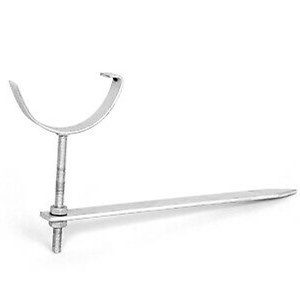
For added strength and stability, always install a fascia bracket within 150mm of either side of every union, corner, or angle.